The Supply Chain Starts on Gwynn's Island
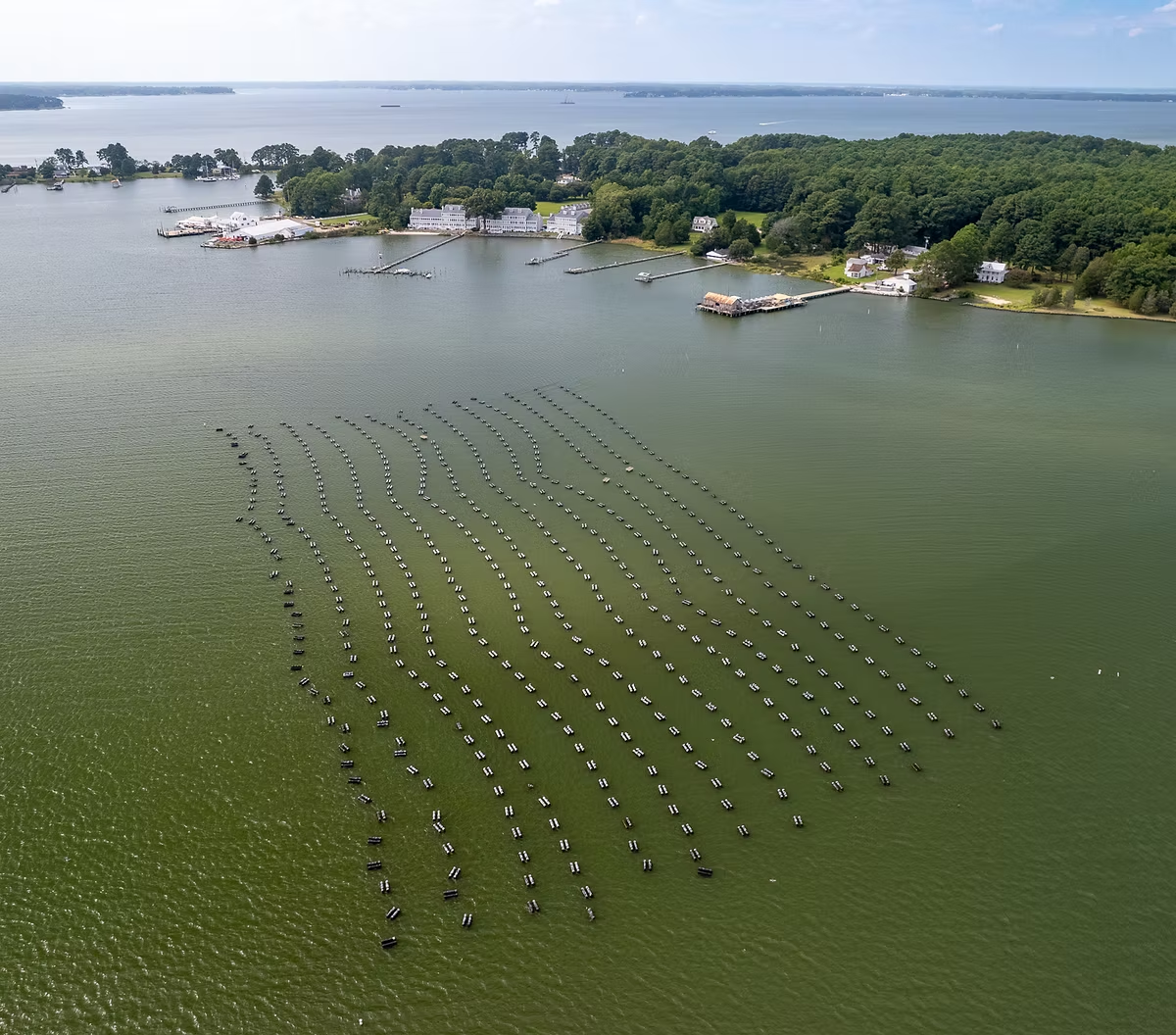
Tucked along the waterfront edge of Milford Haven on Gwynn's Island, there is a modest white warehouse that most people drive past without a second glance. Inside, millions of oyster larvae are being coaxed through the earliest, most critical days of their lives — carefully fed, temperature-controlled, and grown to the size of a grain of sand before being packed onto screens and shipped to farms from Rhode Island to Florida. This is Oyster Seed Holdings, the largest commercial oyster hatchery on the Chesapeake Bay. And it is located in Mathews County.
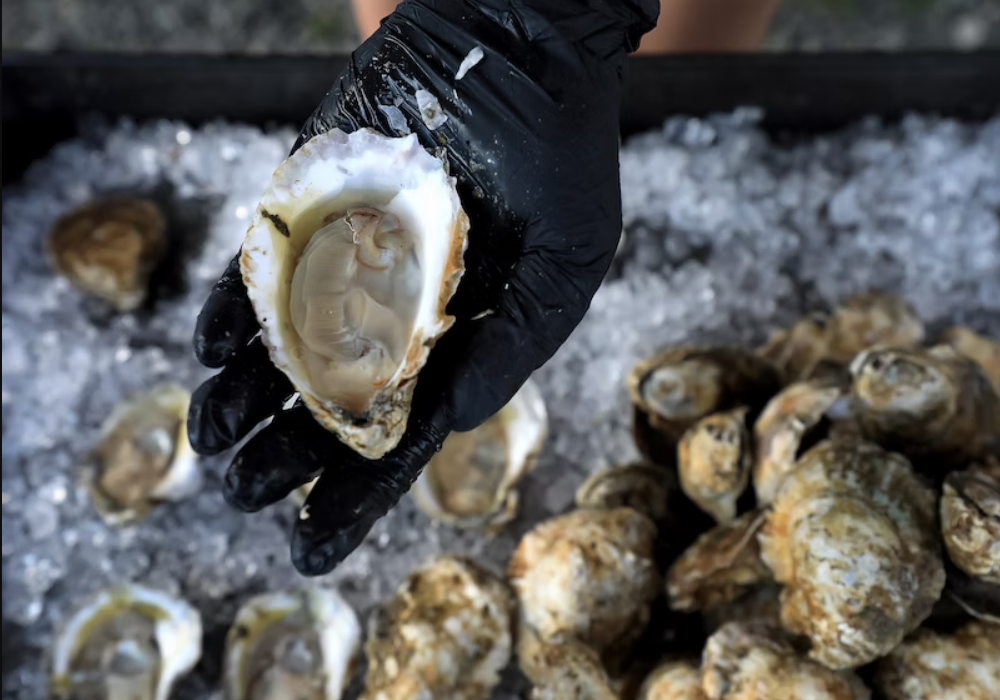
Virginia is now the number one producer of Eastern oysters on the East Coast. According to the most recent Shellfish Aquaculture Situation and Outlook Report from William & Mary's Virginia Institute of Marine Science (VIMS), direct farm sales for shellfish aquaculture in Virginia totaled $81 million in 2024 — a 52% increase from the previous survey. That ranking didn't emerge from thin air. It was built, in no small part, from seed stock grown on this island — in this county — by a small team of people who turned an independent hatchery into a backbone of the entire regional industry.
From 15 Million Seed to Over a Billion
Oyster Seed Holdings launched in the winter of 2008–09 with a single season's production of 15 million seed. Today, the operation produces more than a billion eyed larvae and over 115 million seed oysters annually — all of them originating in Mathews County water drawn from Milford Haven. The company ships to farms from South Carolina to Rhode Island and, as owner Mike Congrove has noted, "This isn't just a Virginia thing that's going on. It's an East Coast thing." No farm can grow oysters without seed. Mathews is where much of that seed comes from.
The hatchery's growth tracked directly with Virginia's own oyster boom. In 2013, USDA counted roughly 60 active oyster farms statewide. By 2018 that number had more than doubled to 134, driven by regulatory reforms, new hatchery technology, and disease-resistant strains developed by VIMS researchers at Gloucester Point — just 25 miles from Gwynn's Island. The proximity is not coincidental. Mathews sits at the intersection of research, production, and the working waterfront in a way few places in the Commonwealth can match.
A County Built for This
Mathews County is bordered by water on three sides — the Chesapeake Bay to the east and south, the Piankatank River to the north, and the East River, North River, and Milford Haven threading through the interior. Those waterways aren't scenery. They are growing ground. Multiple aquaculture operations call Mathews home today: Chapel Creek Oyster Company on the Piankatank, Sea Farms on Milford Haven, Wolf Trap Oysters, and Salty Bottom Blue Oyster Company on Gwynn's Island — all within a few miles of each other, and all downstream from the seed that Oyster Seed Holdings produces at the end of Callis Wharf Road.
In 2018, the Virginia Marine Resources Commission approved a lease for 700 floating oyster cages in Mathews County waters on a 4-2 vote, citing the greater public good of expanded aquaculture. That decision reflected a broader truth: the county's watermen, who have worked these waters through wild harvest for generations, are increasingly transitioning to aquaculture — an industry that offers more predictable yields, higher market prices for premium half-shell product, and the ability to build equity rather than simply harvest a shared commons.
The environmental dividend compounds everything else. Oysters are powerful filter feeders — a single mature oyster can filter up to 50 gallons of water per day. More oysters in Mathews' tidal creeks and tributaries means cleaner water, clearer light for submerged grasses, and healthier habitat for the crabs, rockfish, and waterfowl that are central to both the county's ecology and its economy.
What Virginia's #1 Ranking Actually Means
Virginia's $81 million shellfish aquaculture industry — growing 52% over the prior survey period, producing 40+ million oysters annually since 2016 — is now the most productive Eastern oyster industry on the East Coast, per VIMS data. That ranking belongs to the whole Commonwealth. But the supply chain infrastructure that makes it possible is concentrated in a handful of places, and Mathews County is one of the most important of them.
VIMS shellfish aquaculture specialist Karen Hudson, who leads the annual industry survey, noted that seeing the sector not just recover from the COVID-19 pause but accelerate was genuinely encouraging. VIMS now offers a graduate subconcentration in shellfish aquaculture at the Batten School of Coastal & Marine Sciences, and Hudson's goal is to deliver the annual report on a schedule fast enough to inform General Assembly sessions — ensuring Richmond has current data when setting the regulatory and funding conditions that shape the industry's future.
For Mathews County, the headline is not just that Virginia is #1. It's that Mathews helped build that ranking from the ground up — from a warehouse on Gwynn's Island, from watermen who know these tides better than anyone, from water that has always been a working landscape rather than a backdrop. The infrastructure is already here. The expertise already exists. The market is growing. The question is how much more of that value Mathews captures in the decade ahead.